Nirei Nihakushu Ichirei (Two Bows, Two Claps, One Bow): Meaning and Step-by-Step Shinto Etiquette
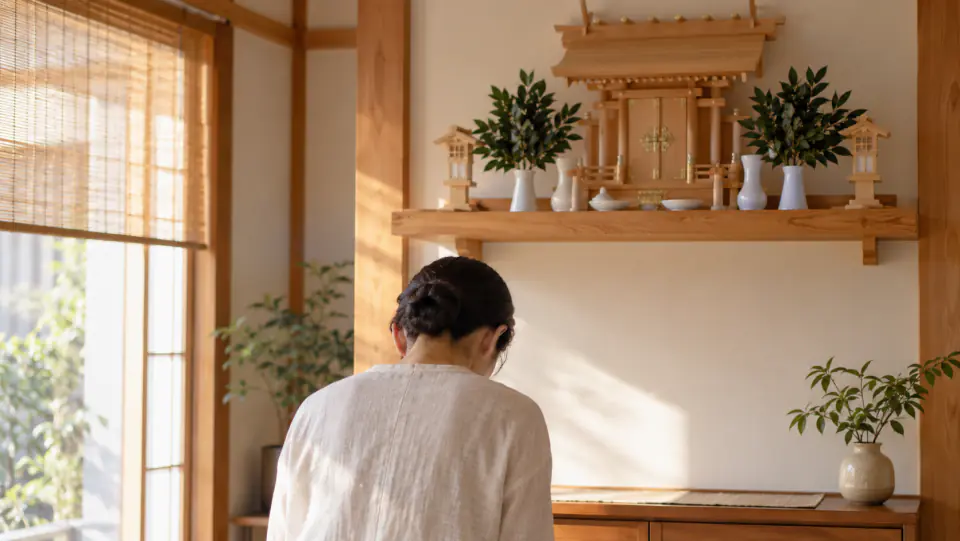
Standing before the worship hall (haiden) of a Shinto shrine or before a quiet home kamidana, you straighten your posture, exhale gently, bow twice, clap your hands twice, offer a silent prayer, and conclude with one final bow.
This foundational rite is known in Japan as "Nirei Nihakushu Ichirei" (二礼二拍手一礼 — two bows, two claps, one bow). Also referred to formally as Ni-hai, Ni-hakushu, Ichi-hai, it is the standard bodily language through which people have expressed reverence, gratitude, and sincere prayers to the kami for generations.
Why do we bow twice? Why do our hands slide slightly before clapping? And how can this physical rhythm calm a hurried mind? In this guide, we break down the historical background, step-by-step technique, and how to practice it with mindful focus in modern life.
What is Nirei Nihakushu Ichirei: Expressing Reverence Through Bodily Movement
In worshiping at shrines, "two bows, two claps, one bow" is widely embraced as the foundational etiquette. Rather than expressing gratitude solely through silent thoughts or whispered words, Shinto worship engages the entire body.
The sequence consists of two deep, deliberate bows, two crisp claps of the hands in front of the chest, a quiet prayer with palms joined together, and one final deep bow to conclude.
By bowing deeply and producing a clean, resounding acoustic clap, you physically embody your respect for the unseen sacred presence.
Stepping away from hurried daily tasks and moving slowly through these deliberate motions naturally slows down your heart rate, deepens your breathing, and establishes a serene mental boundary.
Step-by-Step Worship Etiquette: Angles and Why Hands Slide for Hakushu
Performing the rite with poise is simple when you understand the physical rhythm. Here is the standard flow:
- Straighten your posture and bow twice (Two Bows / Ni-rei):
Stand straight facing the altar, relax your shoulders, and bend your waist to approximately a 90-degree angle. Lower your head with a straight spine, hold for a moment, and rise slowly. Repeat this deep bow a second time. - Bring your hands together, slide the right hand slightly down, and clap twice (Two Claps / Ni-hakushu):
Bring your palms together at chest height. Slide the fingertips of your right hand slightly downward—about the length of your first finger joint—so your right hand is slightly lower than your left. Open your hands slightly wider than shoulder-width and clap cleanly twice ("clap, clap"). - Realign your fingertips and offer your prayer:
Slide your right hand back up so your fingertips are perfectly aligned together. Close your eyes, offer heartfelt gratitude for daily blessings, and state your sincere wish or dedication. - Lower your hands and conclude with one final bow (One Bow / Ichi-rei):
Gently lower your hands to your sides and finish with one final, deliberate deep bow.
Based on the formal shrine ritual pattern of saihai hakushu (double bow and clapping), this sequence of "two bows, two claps, one bow" became the standard etiquette for general shrine worship. Moving calmly through each step helps you step away from everyday rush and stand quietly before the kami.
Why We Clap: The Meaning of Hakushu and Variations Across Shrines
Clapping in Shinto worship is known as hakushu (拍手) or kashiwade—often likened to bringing together two broad oak (kashiwa) leaves. Clapping before the altar is an expression of sincere devotion and heartfelt gratitude for the blessings and protection received each day.
While two bows, two claps, and one bow is the general standard, some historic shrines observe their own traditional forms:
- Izumo Taisha (Shimane): Formally observes Nirei Yonhakushu Ichirei (two bows, four claps, one bow). As explained by Izumo Taisha, during its grand annual festival (Reisai) on May 14, priests and worshippers perform eight claps (yahakushu)—as the number eight has since ancient times signified infinity and boundless praise—while in everyday worship half that number, four claps, is offered in reverence.
These variations are not errors; they reflect the history and traditions of individual shrines. Embrace two bows, two claps, one bow as the standard practice, and follow posted guidance whenever visiting a shrine with its own specific custom.
Centering Your Heart When Worshiping with the Kamidana App
When using a digital home shrine like the Kamidana App, you may often be in a public setting—on a train, at your desk, or resting in bed—where standing, bowing deeply, or making loud clapping sounds is neither practical nor polite.
Traditional Shinto has always maintained that outer ceremony serves inner sincerity. What matters most is the genuine intention you bring to the moment.
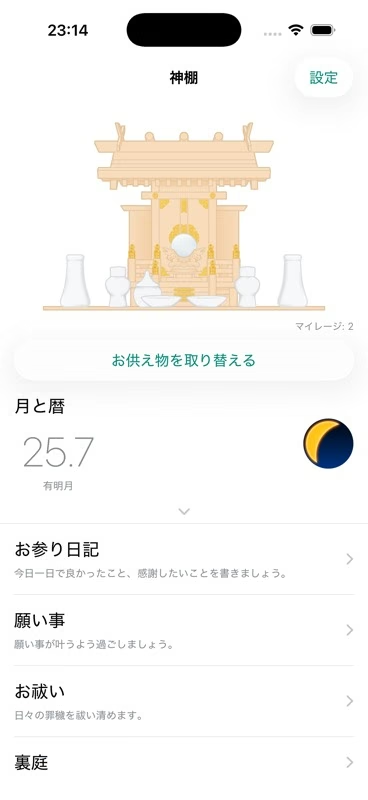
When opening the Kamidana App, you can internalize the spirit of Nirei Nihakushu Ichirei:
- Before tapping the screen, gently roll your shoulders back, straighten your spine, and take a slow breath.
- In your mind, hold the calm rhythm of the two bows and two claps, letting mental chatter fall away.
- First, say a quiet "thank you" for your safety and life today, before articulating what you hope for.
By giving yourself thirty seconds of intentional stillness, worship transforms from a fleeting chore into an emotional reset button, anchoring your day in gratitude and clarity.
Straighten your posture and invite peace into your day
Even when you cannot visit a shrine in person, the Kamidana App lets you pause, reflect, and hold sincere reverence directly from your phone. Begin your daily ritual of gratitude today.
Editorial and sourcing policy
Descriptions of Nirei Nihakushu Ichirei, hand alignment, and shrine-specific variations in this guide are based on publications by Jinja Honcho, Fukuoka Jinja Agency, Okuni Jinja, and Izumo Taisha. Worshipers should feel free to adopt forms that fit their local shrine and home setting.