Temizu (Chozu) Etiquette & Meaning: How and Why to Purify Hands and Mouth Before Shinto Prayer
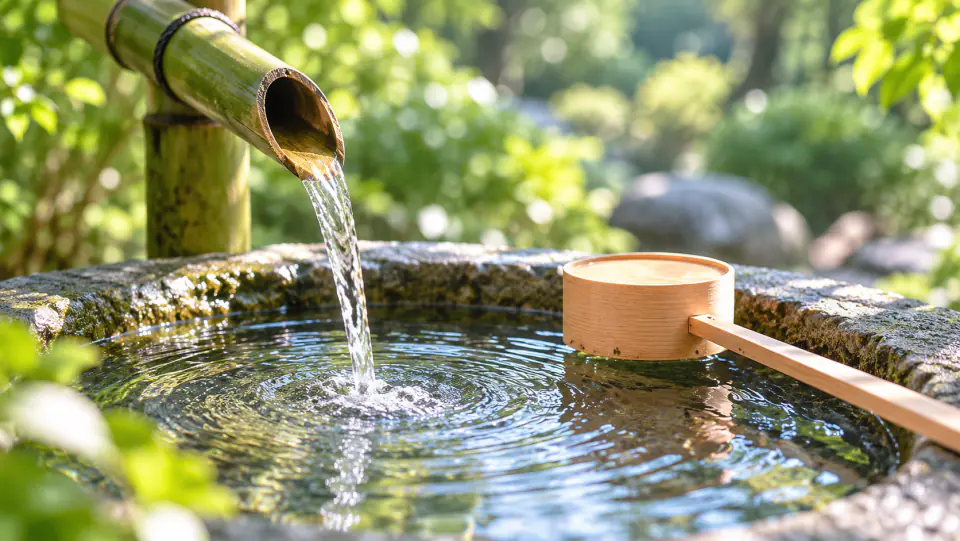
Upon passing beneath the sacred torii gate of a Shinto shrine, one of the first structures you encounter is the temizuya (or chozuya)—a stone water pavilion where cool, clear water steadily flows.
Pausing to rinse your hands and mouth is not merely physical hygiene. Known as temizu, this simple act is a solemn ritual derived from ancient purification rites (misogi), designed to wash away the distractions, fatigue, and mundane clutter of daily life before stepping into the sacred realm of the kami.
In this guide, we explore the spiritual significance of temizu, detail the step-by-step etiquette using a traditional wooden ladle, and discuss how you can bring this grounding boundary into your morning routine and digital prayer practice.
The Origins and Meaning of Temizu: The Spirit of Misogi Cleansing
Temizu is the Shinto practice of cleansing your hands and rinsing your mouth before worshiping. Its origins trace back to misogi—the ancient purification rite of immersing one's entire body in the rushing waters of a river or the sea to wash away spiritual impurities (kegare).
In Japanese mythology, when the deity Izanagi-no-Mikoto returned from the land of the dead (Yomi-no-kuni), he immersed himself in seawater to wash away the impurities of the underworld. As explained by Jinja Honcho, the practice of temizu—rinsing the hands and mouth at the water pavilion (temizuya) before worshiping at a shrine—derives from this tradition of misogi water purification.
Purifying your hands and mouth expresses deep reverence for the kami before whom you present your prayers.
Rather than transitioning abruptly from errands, conversation, and hurry straight into prayer, taking twenty seconds to pause by cool water creates an intentional boundary. It invites your body and mind to settle, marking the transition from worldly rush into quiet presence.
Step-by-Step Temizu Etiquette at Shrines: Mastering the Ladle Flow
At a shrine equipped with water ladles (hishaku), the ideal etiquette is to complete the entire sequence of cleansing using a single scoop of water. Here is the traditional flow:
- Take the ladle with your right hand: Dip the ladle into the fresh basin and scoop a generous cup of water.
- Wash your left hand: Pour a small amount of water over your left hand to rinse it clean.
- Wash your right hand: Switch the ladle to your left hand and pour water over your right hand.
- Rinse your mouth: Switch the ladle back to your right hand. Cup your left palm, pour a small amount of water into it, bring the water to your mouth to rinse quietly, and discreetly spit the water out beside the basin (never back into the clean well). Crucially, never drink directly from the ladle itself.
- Rinse your left hand again: Pour water once more over the left hand that held the water.
- Cleanse the handle and place it down: Tilt the ladle vertically with both hands so that the remaining water cascades down the handle, cleansing it for the next visitor. Place the ladle face down in its original resting spot.
Note that modern shrines may feature automated sensors, continuous spouts, or decorative floral arrangements (hanatemizu). Always follow the specific signs and facilities provided at the shrine you are visiting.
Home Altar Preparation: Connecting Morning Grooming with Prayer
The spirit of temizu is not confined to shrine precincts; it is equally fundamental to the daily care of a home kamidana.
In traditional Japanese households, the custom is to wash one's face, brush teeth, and rinse hands in the morning before changing the water, rice, and salt offerings and clapping hands in reverence.
Approaching your morning altar after cleansing yourself sets an energetic tone for the hours ahead. It transforms mundane morning hygiene from a half-asleep chore into a conscious ritual of renewal: "I wash away yesterday's fatigue and greet today with a fresh heart."
You do not need a stone water basin in your living room. Treating your morning sink routine as your personal temizu bridges everyday grooming with sincere gratitude before the kami.
Creating a Quiet Boundary Before Opening the Kamidana App
With the Kamidana App, you can hold moments of prayer and reflection anytime on your phone. Because phones are often hubs of notifications, emails, and distractions, introducing a small physical boundary before tapping the screen can deeply enhance your experience.
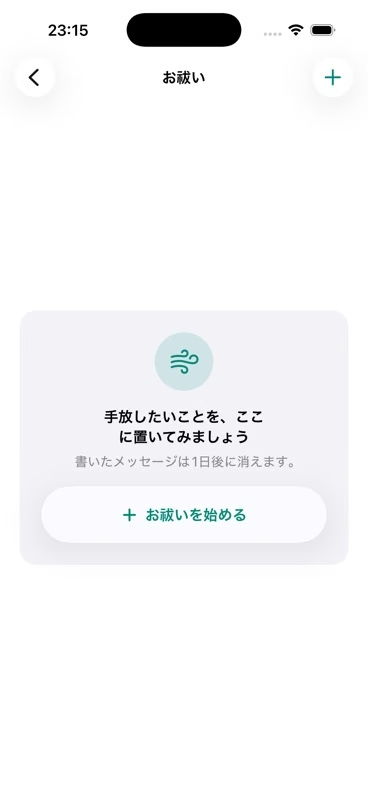
To bring the tranquility of temizu to your digital practice, try these simple habits:
- After finishing your morning wash, pause for one deep breath before opening the app to greet your altar.
- Upon returning home from work or travel, wash and dry your hands thoroughly before sitting down to reflect.
- If feeling stressed during a busy workday, step away to rinse your hands with cool water, reset your posture, and open the app with clear intentions.
Cleansing your hands and taking a breath creates the stillness necessary to know what you truly wish to ask for, and what simple kindness you want to offer thanks for today.
Discover quiet moments of purification in everyday life
Just as cool water cleanses the body, taking a quiet moment helps clear the mind. With the Kamidana App, you can release unspoken burdens, refresh daily offerings, and bring mindful stillness into your pocket.
Editorial and sourcing policy
Explanations of temizu, the theological concepts of misogi and purification, and shrine etiquette in this guide are based on publications by Jinja Honcho (Association of Shinto Shrines) and regional shrine associations. Please observe posted guidelines at individual shrines.