Kamidana Cleaning & Susuharai: How to Purify Your Home Shrine for the New Year and Daily Life
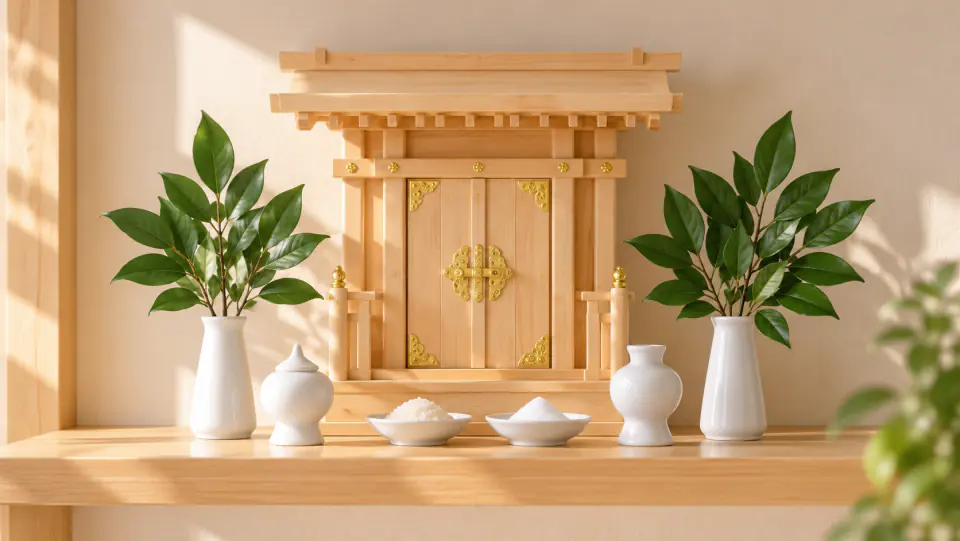
Keeping the kamidana (home shrine altar) and its surroundings pristine is fundamental to honoring the kami and cultivating peace in the home.
Yet when it comes to maintaining a sacred space, many people feel uncertain: "When should I clean it? Are there taboos about touching the altar? Can I use regular cleaning cloths? What if I live in an apartment without a shelf?"
This guide explores the historical significance of the year-end Susuharai (soot sweeping) ritual, details practical step-by-step etiquette for caring for wooden altars, and shares how to cultivate a clean, mindful space in everyday modern living.
1. The Spiritual Meaning of Sweeping: Cleansing as Divine Hospitality
In Shinto tradition, cleaning is far more than a mundane domestic chore. Purity (seijō) is one of the highest spiritual ideals. To sweep and dust is considered an act of welcoming the divine (迎神, geishin).
Throughout our daily routines, physical dust gathers alongside invisible mental stress, distractions, and fatigue. When we gently clean the sacred altar, we do not merely wipe wood—we clear away inner turmoil, restoring clarity and stillness within ourselves.
This is not about superstition or magical beliefs like "cleaning guarantees instant wealth." Rather, it embodies heartfelt hospitality: preparing a serene, dignified sanctuary so that the divine presence feels honored and you can bow with an uncluttered mind.
2. Susuharai and the Meaning of December 13
A well-known cleaning observance in Japan is Susuharai (煤払い), the year-end cleansing of accumulated dust and soot that has long marked a seasonal milestone at both shrines and households.
December 13: "Shogatsu Kotohajime" (Beginning of New Year Preparations)
Historically, December 13 was known as Shogatsu Kotohajime—the traditional day to begin preparations for welcoming the New Year, when shrines and households swept away a year's dust to purify the kamidana and home. Today as well, households choose a day in mid-to-late December to clean the kamidana before enshrining new ofuda and hanging fresh shimenawa for the New Year.
Timing for Year-End Cleaning:
It is traditionally customary to prepare the altar by around December 28, allowing time to welcome the New Year with calm. Folk tradition often favored avoiding December 29 (associated with the wordplay for hardship) and December 31 ("one-night preparation" right before New Year's Day) in favor of earlier, unhurried preparations. Choose a day that fits comfortably with your schedule to refresh the space with a calm heart.
3. Basic Steps for Cleaning a Kamidana
Caring for a kamidana does not require elaborate rituals, only calm, respectful attention:
Step-by-Step Procedure
- Wash your hands and rinse your mouth: Before beginning, wash your hands and rinse your mouth to purify body and mind, then bow respectfully before the altar.
- Mindful breathing (wearing a mask or holding paper): To prevent human breath from blowing directly onto consecrated ofuda and sacred woodwork, traditional custom involves holding a piece of white washi paper in the mouth or wearing a clean face mask.
- Carefully move ofuda and vessels (avoiding the floor): Transfer ofuda and vessels to a temporary table prepared with a clean white cloth or paper; never place sacred items directly onto the floor or tatami mats.
- Brush away dust with a dedicated cloth: Using a clean cloth or soft duster reserved specifically for the kamidana, gently remove dust and wipe the woodwork clean.
- Clean the vessels and return the ofuda: Wash and thoroughly dry the porcelain dishes, then reverently return the ofuda and offering vessels to their positions.
- Offer a closing bow of gratitude: Present fresh offerings and conclude with two bows, two claps, and one final bow.
4. Modern Living: Creating Sacred Space with the Kamidana App
In modern apartments, studios, and shared flats, many people do not possess a wooden shrine shelf. You do not need an ornate architectural setup to practice the calming power of cleansing.
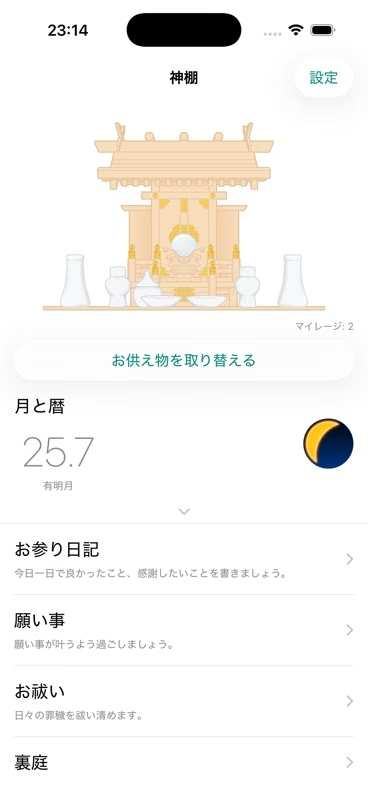
Setting an Achievable "Corner of Calm"
The essence of Shinto cleaning is creating an uncluttered oasis where your mind can settle. You do not have to conquer the whole apartment at once:
- Clear Your Desk Corner: Clear away loose paperwork and wipe down your workspace before your morning pause.
- Align Your Footwear: Straighten your shoes at the entrance threshold as a gesture of bringing order to your step.
- Wipe Your Device Screen: Gently wipe your smartphone screen clean before opening the Kamidana App for your daily prayer or reflection.
This micro-ritual acts as a mental boundary: stepping away from chaotic notifications and entering a protected moment of tranquility.
5. Summary: Consistency and Sincerity Over Perfection
The heart of kamidana care is not rigid technical compliance, but the quiet warmth of keeping your living environment welcoming and clear.
- Cleaning is an act of divine hospitality (geishin) and inner reset.
- Susuharai originates from the historic December 13 "Kotohajime," beginning at the altar.
- Use dedicated, clean cloths and dry-wipe untreated wood to prevent stains.
- Even without a shelf, tidying a single small space before opening the Kamidana App creates a sacred pause.
Take a quiet moment today to wipe a surface, breathe deeply, and reconnect with clarity. The cleanliness you cultivate outward will soon reflect within.
Bring a moment of quiet gratitude to your day
Struggling to maintain a traditional altar amidst busy work and limited space? The Kamidana App provides a gentle, sacred space right on your smartphone. Replace digital offerings, record your reflections, and build a lasting rhythm of peace without added burden.
Editorial and sourcing policy
This guide references educational publications on household altar maintenance and seasonal rites from Jinja Honcho and the Hokkaido Jinja-cho. Altar structures, woodwork treatments, and local cleaning dates may vary according to regional tradition.