Welcoming the New Year with a Kamidana: Toshigami, Ofuda Renewal, and New Year Prayers
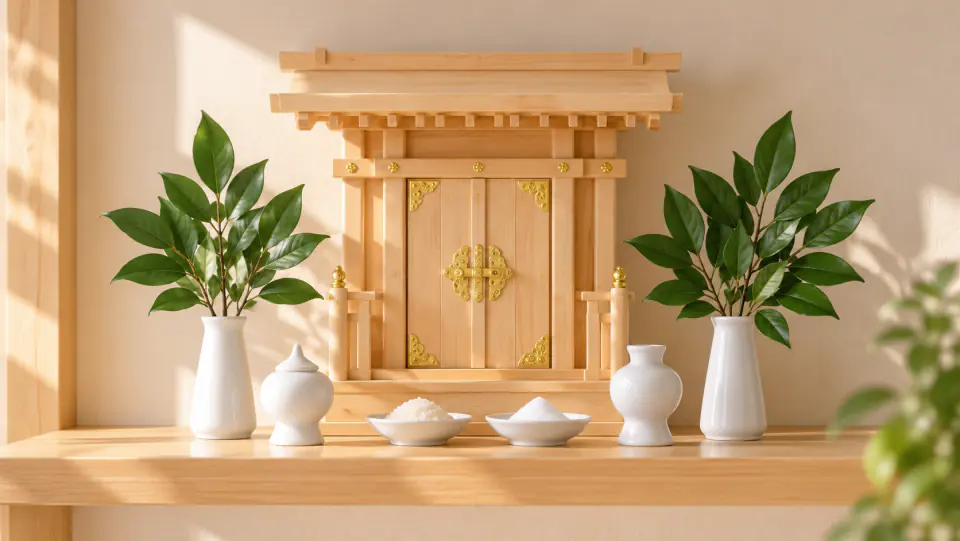
As December draws to a close, a quiet transformation sweeps across Japan. Gates are framed with pine arrangements (kadomatsu), doorways are graced with sacred straw decorations (shimekazari), and homes prepare to cross the threshold into a fresh calendar year.
In homes that enshrine a kamidana (household Shinto altar), the turn of the year is marked by a deep-rooted tradition: thoroughly cleansing the altar, replacing the sacred ofuda (talismans) with newly received ones, and praying for the family’s health and peace in the months ahead.
Who is Toshigami-sama, the deity greeted at New Year? Why are talismans replaced every twelve months rather than kept permanently? And how can you embrace this spirit of renewal even if you live in a modern apartment without a wooden altar? Here is your complete guide.
1. The Meaning of Toshigami: Welcoming the New Year Deity
In Japanese tradition, New Year (Oshogatsu) is far more than a change of dates on a calendar. Historically, it is a sacred festival dedicated to welcoming Toshigami-sama (the New Year Kami, also known as Toshitokujin), who visits every household to bestow life force, vitality, and bountiful blessings for the upcoming harvest.
Rooted deeply in ancient agrarian customs—where the word toshi (year) originally signified the ripening of rice—Toshigami-sama has long been revered as a deity of grain and harvest renewal who brings blessings to each household. Traditional New Year preparations are designed to welcome this visiting deity:
- Kadomatsu (Pine and Bamboo Gate Markers): Placed at the entrance as a yorishiro—a sacred landmark guiding Toshigami-sama straight to the residence. Pine represents unchanging longevity, while bamboo symbolizes resilient growth.
- Shimenawa & Shimekazari (Sacred Straw Ropes): Hung across entryways and over the kamidana to demarcate a purified boundary, signaling that the space within is clean and ready for the divine presence.
- Kagami Mochi (Round Rice Cake Offerings): Stacked circular mochi presented as an offering and vessel for Toshigami-sama’s spirit, later shared among the family during Kagami Biraki to partake in the blessing.
Cleaning the kamidana and the surrounding home at year’s end is an act of warm hospitality: creating a bright, pristine sanctuary where the divine guest can feel welcomed.
2. Why We Renew Ofuda: Cleansing, Gratitude, and Otakiage
A central observance in kamidana practice is replacing the paper or wooden ofuda (talisman) at the end of the year. People often wonder: "If the ofuda was sacred, why can’t I keep it forever?"
In tending a kamidana, the most essential principles are maintaining purity and welcoming renewed vitality (the resurgence of life force). Renewing ofuda and shimenawa each New Year expresses gratitude for a year of protection while praying for the blessings of renewed divine spirit in the coming year. This aligns directly with the Shinto ideal of tokowaka (常若, eternal renewal)—best exemplified by the periodic rebuilding (Shikinen Sengu) of Ise Jingu—where spiritual vitality is sustained by periodically refreshing sacred objects to bring fresh energy into daily life.
How to Receive and Return Ofuda
- Receiving New Ofuda: New talismans are typically received at shrines from mid to late December, or during New Year visits (Hatsumode). Receiving them at other times of the year is also entirely valid if you move or start a practice mid-year.
- Returning Old Ofuda (Otakiage): The talisman enshrined over the past twelve months is returned to the shrine with deep gratitude for a year of protection. Shrines place them in a dedicated collection box (Kosatsu-osamesho) and conduct a sacred ceremonial burning known as Otakiage or Dondoyaki.
- Talismans from Distant Shrines: If you received an ofuda during travel and cannot revisit that specific shrine, follow the posted guidelines at a local shrine’s Kosatsu-osamesho or the original shrine’s published instructions for returning talismans by post.
This cycle of returning with thanks and starting anew reflects an essential life rhythm: acknowledging the passage of time, releasing what has passed, and stepping forward with an unburdened heart.
3. Preparing the Home: Shimenawa, Timing, and Etiquette
Setting up decorations and preparing the home shrine involves practical guidelines that reflect care and mindfulness.
When to Set Up New Year Decorations
Historically, preparations for the New Year began on December 13 (Shogatsu Kotohajime / Susuharai). After cleaning the kamidana and home in late December, households enshrine the new ofuda and hang fresh decorations with time to spare, avoiding last-minute Ichiya-kazari (putting up decorations on December 31, New Year's Eve).
Arranging the Shimenawa on the Kamidana
The fresh straw rope (shimenawa)—in styles such as gobō-jime or daikon-jime—is hung with folded white paper streamers (shide). How the rope is shaped and oriented varies across regions in Japan (in eastern and northern Japan, the thicker end is commonly placed on the right when facing the altar). Following your local shrine’s guidance or regional custom is recommended.
4. New Year Prayers in Modern Living: Reflecting with the Kamidana App
Many people living in modern apartments do not have room for a traditional wooden shrine shelf, or spend the year-end traveling. Shinto has always valued sincere devotion (makoto no kokoro) far above architectural scale.
The Kamidana App was designed to bring this timeless rhythm of gratitude and reflection into modern pocket devices, allowing anyone, anywhere, to maintain a sacred pause.
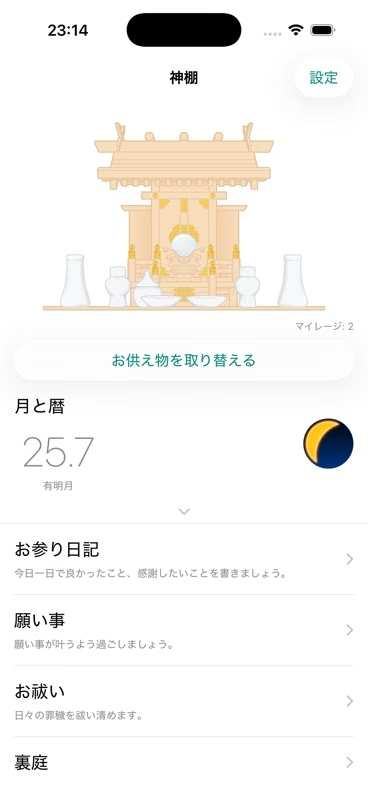
Three Steps for a Meaningful Year-End Reflection
When greeting the new year inside the app, try structuring your thoughts into three distinct areas:
- Gratitude for Blessings Received: Write down your appreciation for having navigated the past year safely, noting quiet milestones, health, and supportive relationships.
- Continuing Prayers: Acknowledge long-term intentions that remain close to your heart—such as family wellbeing or creative journeys that span multiple years.
- New Hopes and Commitments: Write down the aspirations you hold for the year ahead, as well as any sincere personal commitments you wish to undertake.
By keeping these records separated, you can revisit your inner growth year after year and observe how your intentions have unfolded.
5. Summary: Starting the Year with Gratitude and Quiet Sincerity
Welcoming the New Year is an invitation to pause, clear away accumulated clutter—both physical and mental—and open your doors to fresh light.
- Toshigami-sama visits homes to bestow renewed vitality, crop fertility, and household peace.
- Renewing your ofuda expresses gratitude for the past year's protection and welcomes the new year with a fresh heart.
- Complete decorations by December 28, mindfully avoiding rushed setups on December 29 or 31.
- Whether before a carved wooden altar or on your phone screen, true prayer lives in the sincerity of your heart.
As the clock turns, take a deep breath, clap your hands softly, and offer a prayer of thanks. May your new year be illuminated with peace, good health, and joyful clarity.
Bring a moment of quiet gratitude to your day
Whether or not you have a physical shrine shelf at home, the Kamidana App gives you a peaceful sanctuary on your smartphone. Offer water, record your New Year reflections, and nurture a calm daily prayer habit without breaking your modern pace.
Editorial and sourcing policy
This guide references published materials on household rituals and New Year traditions from Jinja Honcho and the Hokkaido Jinja-cho. Precise customs regarding talisman renewal and shimenawa arrangement may vary according to regional shrine traditions.