How to Word Your Prayers Before Kami: The Spirit of Kotodama, Gratitude, and Sincere Wishes
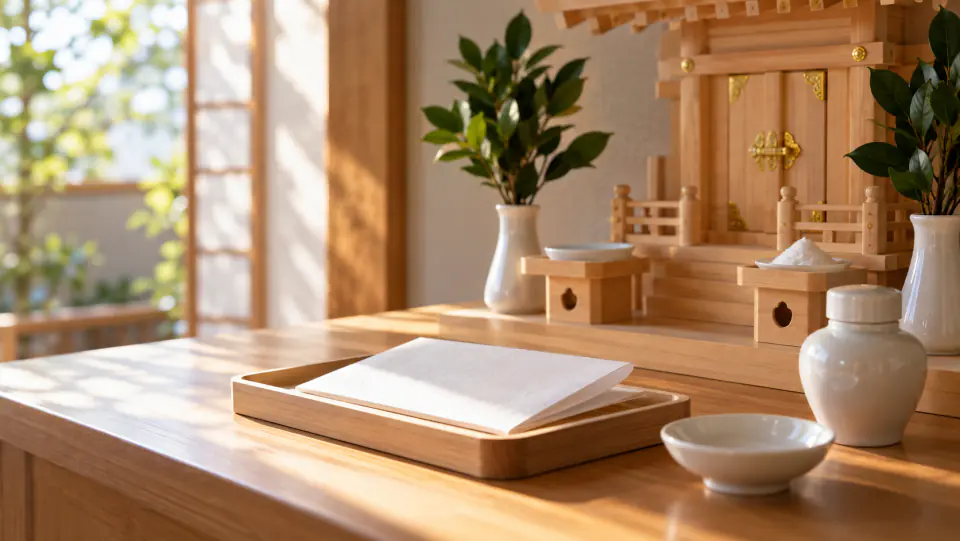
When standing before a sacred shrine or joining your hands before a home kamidana, you might pause and wonder: "What words should I actually say? Do I need to chant a complex ancient incantation, or can I speak simply from the heart?"
In Japanese tradition, spoken language has long been viewed with deep reverence through the concept of kotodama (言霊)—the spiritual essence dwelling within sincere words. Liturgical prayers like norito (chanted by Shinto priests) and kamidana haishi (home altar recitations) are exquisite expressions of this reverence.
Yet for individual worship, Shinto places no rigid dogmatic barrier. What matters above all is not archaic vocabulary, but the transparent sincerity (makoto) with which you speak, and the willingness to anchor your requests in foundational gratitude. In this guide, we explore how to formulate your prayers with poise, clarity, and peace of mind.
The Concept of Kotodama: Spiritual Presence in Spoken Words
In Japan, it has long been believed that spoken words carry an unseen spiritual presence—known as kotodama (the spirit of words)—and that the words we utter deeply touch our hearts and lives.
In Shinto theology, this belief in kotodama shapes how prayers are articulated before the kami. When voicing intentions aloud or reflecting upon them silently, words are treated with intentional gentleness and clarity. Avoidance of bitter, destructive, or careless speech is not merely social politeness; it is a spiritual practice of keeping one's heart and presence unclouded.
When priests chant norito during rituals, they choose pristine, rhythmic classical Japanese (yamato-kotoba) to express reverence and harmony.
In everyday life, the words we habitually repeat in our inner dialogue shape who we become. Standing before an altar offers an intentional moment to clear away internal clutter and choose words of genuine warmth, resolve, and hope.
Norito and Kamidana Haishi: Traditional Liturgical Words of Praise and Thanks
Formal Shinto liturgy is centered on norito. Unlike petitionary prayers in some traditions that immediately list requests, norito are carefully constructed: they open with extensive praise for the majesty of the deities, trace the blessings of nature and ancestry, and offer profound gratitude for life before any petition is made.
At household kamidana, a well-known daily prayer is the Kamidana Haishi (Altar Words of Worship):
"Before the grand presence of the great deities enshrined upon this sacred shelf—Amaterasu Omikami, the Ubusuna deities, and all the kami—we speak with reverence and humility..."
As outlined in guidance from the Hokkaido Jinja Cho, this prayer expresses deep reverence before the deities enshrined on the kamidana, gives thanks for their boundless daily blessings that allow the household to live in health and fulfill its work, and humbly prays for continued peace, protection, and prosperity.
According to guidance from Jinja Honcho, individual worshipers are not required to memorize or recite norito word-for-word. If you do choose to recite a traditional text, take time beforehand to understand its translation and cadence, so that you speak with genuine comprehension rather than mechanical repetition.
Praying in Your Own Words
When you pray at a shrine or home altar, you are entirely free to speak in your own natural, modern words.
Kami do not require archaic formality from everyday worshipers. A simple, honest sentence spoken with warmth is far more resonant than an elaborate passage uttered without feeling.
You might begin with gratitude, or speak first about the wish you carry. You can use your own words, even when they are difficult to arrange.
- "Thank you for watching over our home today, and for bringing my family safely to this morning."
- "Please watch over this important step I am taking today, and give me the strength to see it through."
Whether you are voicing a heartfelt petition in a moment of distress, or quietly giving thanks for the ordinary gifts supporting your life, there is no single formula you must follow. Taking a moment to speak honestly before the altar allows you to place what is in your heart into a space of quiet care.
Clarifying and Grounding Your Wishes in the Kamidana App
Whether your petition concerns health, family well-being, work commitments, or creative pursuits, taking time to organize your thoughts before speaking makes your intention lucid and actionable.
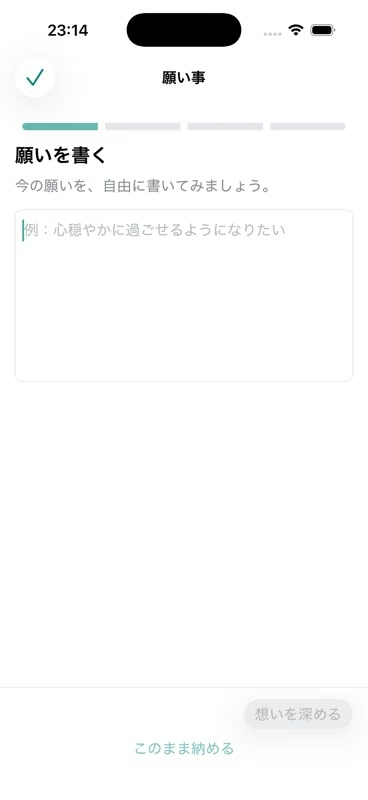
In the Kamidana App, putting a wish into words and pairing it with your own action helps steady your mind:
- Write your wish honestly: "May my mother recover her strength," or "May our team's project reach the people who need it." Speak from what you genuinely care about without worrying about ornate phrasing.
- Pair it with one small action today: While entrusting the final outcome beyond your control to the kami, record one tangible gesture you will take today—sending an encouraging message, preparing thoroughly, or getting restorative rest.
Honoring the spirit of kotodama does not mean obsessing over perfect speech. It means aligning your words with your deepest truth, expressing thanks for today, and stepping forward with an open, tranquil heart.
Find clarity and peace through honest words of prayer
Looking for a quiet space to organize your thoughts and express daily gratitude? The Kamidana App gives you a peaceful, private altar on your smartphone to clarify your wishes and return to what truly matters.
Editorial and sourcing policy
The philosophical explanation of kotodama, norito liturgical structure, and household prayers in this guide references official materials from Jinja Honcho and the Hokkaido Jinja Agency. Prayer traditions can be adapted to respect personal faith and home circumstances.