Oharae (June & December Great Purification): Meaning of Chinowa Rings, Katashiro, and Renewal
Twice a year, at the midpoint and close of the calendar, Shinto shrines across Japan conduct one of the tradition’s oldest ceremonies: Oharae (大祓), the Great Purification.
The ceremony on June 30 is known as Nagoshi no Harae (Midyear Purification), washing away the accumulated wear of the first half of the year, while the ceremony on December 31 is Toshikoshi no Harae (Year-End Purification), clearing spiritual stagnation before the new year arrives.
What does Shinto mean by "impurities" (kegare)? How does one walk through a giant circular grass ring (chinowa)? And how can we adopt this biannual reset into modern daily life to refresh our mental clarity? Here is everything you need to know.
1. What Is Oharae? Shinto’s Biannual Spiritual Reset
Established over a millennium ago as an imperial ritual, Oharae was performed to cleanse the entire community of unintentional mistakes, missteps, and stagnant energies gathered over six months of living.
How Shinto Understands "Tsumi" and "Kegare"
In Shinto, words translated as "transgression" (tsumi) or "impurity" (kegare) do not refer solely to moral guilt or legal offenses. They encompass a wider range of conditions and misfortunes that call for purification before approaching the kami, and scholars and traditions explain them from several perspectives:
- Kegare (穢れ): Refers broadly to states of ritual impurity that call for cleansing, and in one well-known interpretation is connected to ki-gare (気枯れ)—a state in which vital spirit or everyday freshness has become depleted and needs renewal.
- Tsumi (罪): Encompasses not only actions that disrupt communal harmony, but also unintentional missteps and misfortunes accumulated in the course of living.
Oharae is not a punitive rite. It is an act of ceremonial renewal—clearing away the accumulated weight of six months so that people and communities can return to an upright, refreshed state of clarity. This connects deeply with the Shinto ideal of tokowaka (常若, eternal renewal and youthfulness), the concept that spiritual vitality is sustained not through static preservation, but through rhythmic, seasonal renewal.
2. Chinowa Rings and Katashiro: Meaning and Step-by-Step Practice
Visiting a shrine during the Oharae season reveals two distinctive elements: large woven grass rings standing in the courtyard and paper figures shaped in human silhouettes.
Walking Through the Chinowa Ring (Figure-Eight Pattern)
During the summer Oharae season, many shrines erect a large ring woven from chigaya (cogon grass) in their precincts. Passing through this chinowa ring is a traditional rite for dispelling the accumulated transgressions and impurities of the half-year and praying for health and renewal.
Standard Chinowa Passing Steps:
The most widely observed traditional method across Japanese shrines follows a figure-eight pattern completed in three passes:
- Stand facing the chinowa ring, bow once, pass through the ring, turn left, and return to the front.
- Bow once, pass through the ring, turn right, and return to the front.
- Bow once, pass through the ring, turn left once more, and return to the front.
- Finally, bow once, pass straight through the ring, and proceed directly to the shrine sanctuary to offer your prayer.
At some shrines, participants quietly recite traditional verses or prayers associated with the ancient legend of Somin Shorai as they walk. Because specific routes, counts, or recitations can vary by sanctuary, always check and follow the guidance board posted beside the ring.
Katashiro: Entrusting Burdens to Paper
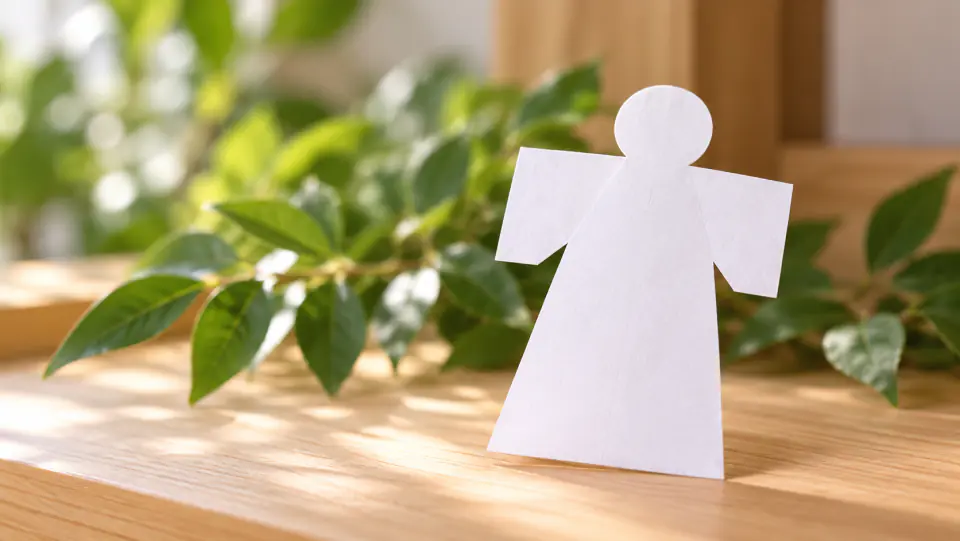
Katashiro (形代), or hitogata, are paper silhouettes used to receive transgressions and impurities so they can be purified.
Standard Katashiro Procedure:
- Write your name and age (often traditional counting age) on the paper silhouette.
- Gently stroke your body—such as your forehead, chest, and arms—with the paper to transfer accumulated spiritual fatigue and impurities.
- Breathe onto the katashiro three times, entrusting your personal burdens to the paper.
- Submit the katashiro to the shrine with an offering (hatsuho-ryo), where priests recite the Oharae-no-Kotoba liturgy and purify the papers through ritual burning or release to sacred waters.
3. Participating in Oharae at a Shrine
Around June 30 and December 31, many shrines set up a chinowa ring or provide katashiro papers for visitors.
Following Each Shrine's Posted Guidance
Because the specific way to walk through the chinowa ring and submit katashiro can vary by shrine and region, check the guidance board placed beside the ring or at the shrine office, walk through calmly, and proceed to the sanctuary to offer your prayer (two bows, two claps, one final bow).
4. Modern Practice: Resetting Your Mind with the Kamidana App
If you cannot visit a shrine during Oharae week, you can still embrace the wisdom of the half-year reset. Modern life constantly demands our attention, leaving our minds cluttered with unexpressed frustrations, digital noise, and emotional fatigue.
The "Oharai" Feature: A Private, Ephemeral Space
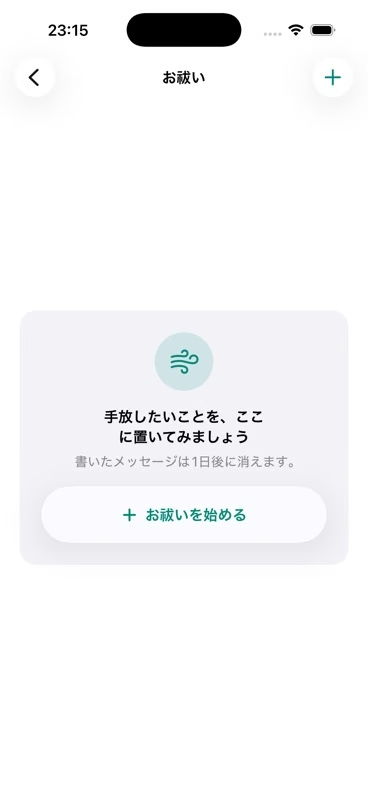
Inside the Kamidana App, a dedicated "Oharai" (Purification) feature serves as a modern digital katashiro:
- Write Down What You Cannot Say Publicly: Express heavy thoughts, workplace anxieties, or private regrets that belong neither on social media nor in a permanent diary.
- Removed After 24 Hours on Next Screen Load: Unlike a standard journal, entries placed in Oharai are deleted once 24 hours have passed, the next time you open the purification screen (behavior and display may vary by app version). You are not keeping permanent records; you are letting go.
- Returning Unburdened to Daily Life: By giving your heavy thoughts a private, temporary resting place, you create psychological space to breathe and focus on positive, real-world steps.
While not a replacement for medical therapy or real-world problem solving, this quiet ritual provides a comforting boundary to close difficult chapters and move forward unburdened.
5. Summary: Biannual Renewal for Mind and Heart
The enduring beauty of Oharae lies in its deep kindness toward the human condition: recognizing that fatigue and mistakes naturally happen, and providing an intentional, recurring moment to rinse them away.
- Oharae occurs biannually on June 30 (Nagoshi) and December 31 (Toshikoshi).
- Purification clears accumulated tsumi and kegare (often interpreted in one view as depleted vitality, ki-gare) to restore natural clarity.
- Walking through the woven grass chinowa ring and entrusting impurities to katashiro are traditional rites of purification.
- Through paper katashiro or the Kamidana App’s Oharai feature, releasing heavy words helps you begin the next chapter refreshed.
Take a moment today to acknowledge how far you have come over the past six months. Let go of what you cannot change, breathe deeply, and welcome the days ahead with a renewed and joyful spirit.
Bring a moment of quiet gratitude to your day
Feeling mentally weighed down or unable to attend a shrine purification? The Kamidana App offers an ephemeral "Oharai" space alongside daily prayers to help you clear away mental fatigue and reset your spirit anytime. Start your quiet ritual today.
Editorial and sourcing policy
This article references official explanations of Oharae rituals, Chinowa-kuguri traditions, purification liturgies, and perspectives on kegare published by Jinja Honcho, Kokugakuin University, and the Miyagi Prefecture Jinja-cho. Festival dates and local ceremonial methods vary across shrines.