Oinari-sama and the Sacred Fox (Kitsune): Ukanomitama, Harvest Blessings, and Daily Gratitude
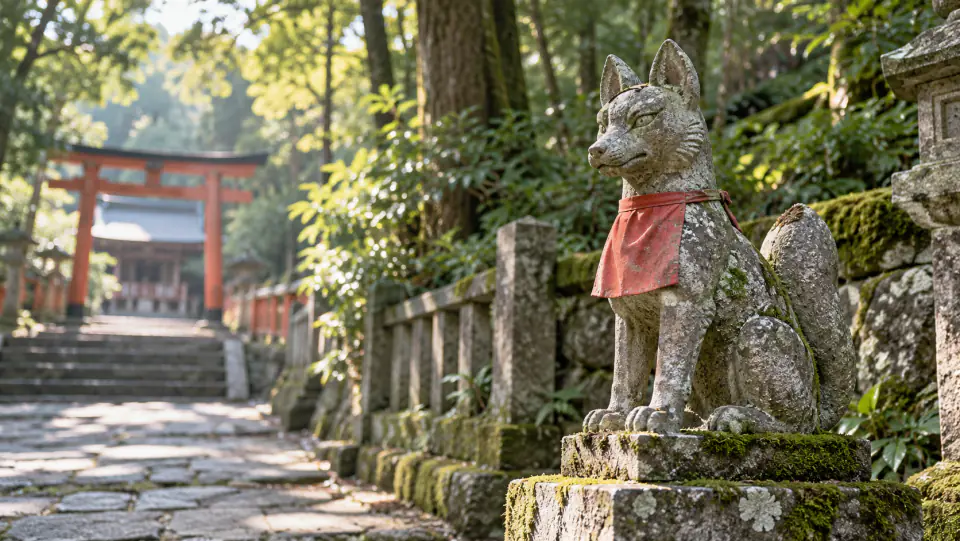
Vivid corridors of vermilion torii gates, pairs of stone foxes sitting attentively with sacred keys or jewels in their mouths: with an estimated 30,000 shrines across Japan, Inari shrines (Oinari-sama) are among the most beloved and recognizable sanctuaries in the country.
Yet visitors and newcomers often ask: "Is the fox itself the god? Why are foxes associated with harvests and business prosperity? Why are there so many vermilion torii gates?"
In Shinto tradition, the deity and the fox are entirely distinct. The fox serves as the divine messenger (kenzoku), while the true deity is Ukanomitama no Kami, the ancient patron of grain, nourishment, and life. Here is the fascinating history behind Inari devotion and how its timeless values can enrich our modern work and living.
1. The Fox Is the Messenger, Not the Kami: Understanding Kenzoku
The most important distinction to understand when visiting an Inari shrine is that the kami itself is not a fox.
Kenzoku: The Sacred Intermediary
In Shinto cosmology, deities often employ sacred animal messengers known as kenzoku (眷属) to mediate between the divine realm and humanity (such as the deer at Kasuga Taisha or the pigeons at Hachiman shrines).
The fox of Inari is not a wild forest animal, but an unseen, purely spiritual entity known as Byakko (白狐, white fox). White in Shinto symbolizes absolute purity, transparency, and the light of the sun. The white fox acts as a tireless, devoted servant who carries human prayers straight to the kami’s ears.
The True Deity: Ukanomitama no Kami
The primary kami enshrined at Fushimi Inari Taisha (the grand head shrine in Kyoto) and Inari shrines nationwide is Ukanomitama no Kami (宇迦之御魂神).
In archaic Japanese, Uka signifies food, sustenance, and grains, while Mitama means sacred life-giving spirit. Ukanomitama is the divine guardian of the food that keeps humanity alive—the spiritual essence of the grains that sustain human physical existence.
Why Offer Fried Tofu (Aburaage) and Inarizushi?
A question frequently asked by visitors is why fried tofu (aburaage) and vinegared rice pouches (inarizushi) are offered at Inari shrines. In agrarian antiquity, foxes were welcomed by farmers because they hunted mice and rodents that ravaged rice paddies, earning them respect as guardians of the harvest. As Buddhist dietary customs took root and soybean cultivation expanded in medieval Japan, plant-based deep-fried tofu replaced earlier animal offerings. Stuffing seasoned rice into these pouches gave birth to inarizushi—a warm culinary tradition celebrating the shared blessing of grains between humans and the sacred.
2. From Bountiful Rice Harvests to Business Flourishing
How did a rural agrarian deity governing grain crops become Japan’s most famous guardian of modern commerce, tech companies, and urban storefronts?
Agricultural Roots: Inari and the Growth of Rice
As recorded in surviving fragments of the ancient Yamashiro no Kuni Fudoki, the name "Inari" is traditionally linked to "Ine-nari" (稲生り)—the growing and ripening of rice (among several historical theories). According to Fushimi Inari Taisha, the head shrine of approximately 30,000 Inari shrines nationwide, Inari Okami was enshrined on Mount Inari on the first Horse Day (Hatsu-uma) of the second month in the year 711. Ancient records show the imperial court praying at Inari for favorable rain, abundant harvests (gokoku-hōjō), and peace across the land.
Expansion of Worship: Business Prosperity and Household Safety
Over the centuries, Inari Okami came to be revered as the ancestral guardian of food, clothing, shelter, and universal abundance. From agricultural harvests, the faith naturally broadened to encompass business prosperity (shōbai hanjō), industrial growth, household safety (kanai anzen), traffic safety, and advancement in the arts.
3. Vermilion Torii Gates, Hatsu-uma, and Worship Etiquette
Visiting an Inari shrine reveals distinctive traditions and symbols with deep historical roots.
Vermilion Coatings and the Thousands of Torii Gates
The vivid vermilion (shu) seen on Inari shrine pavilions and the famous Senbon Torii gates has long been considered a color that counters malevolent forces in ancient palaces and shrines, and at Fushimi Inari Taisha it is explained as expressing the bountiful vitality of Inari Okami’s power (the shrine also notes that traditional vermilion pigment—cinnabar, or mercury sulfide—has long been used as a wood preservative).
The thousands of torii gates lining the mountain paths grew from a custom that spread from the Edo period onward: dedicating a torii gate so that a wish might "pass through" (tōru) to fulfillment, or in thanksgiving after a wish was fulfilled.
Hatsu-uma and Basic Worship Etiquette
Commemorating Inari Okami’s enshrinement on Mount Inari on the first Horse Day of the second month (Hatsu-uma) in the year 711, visiting Mount Inari at Fushimi Inari Taisha on Hatsu-uma in February is traditionally known as Fukumairi (visiting to receive blessings), while Inari shrines across Japan also hold Hatsu-uma festivals around this day.
When worshiping at an Inari shrine, follow standard Shinto etiquette: two bows, two claps, and one final bow (ni-rei, ni-hakushu, ichi-rei). While showing respect to the white fox statues guarding the grounds, direct your prayer to Inari Okami enshrined within the sanctuary.
Dispelling Myths: Is Inari Vengeful or Frightening?
Occasionally, folkloric ghost stories and internet rumors suggest that "praying at an Inari shrine obligates you to visit for life, or else you will face a curse." Such ideas are popular superstitions rather than authentic Shinto practice.
During the Edo period, thousands of private Inari shrines were established on residential estates; when families moved or neglected these unattended shrines, cautionary folklore arose about neglected spirits. In true Shinto understanding, Inari Okami is a deeply benevolent deity who provides daily food, clothing, shelter, and commercial vitality. There is no need for fearful anxiety. Anyone who bows with sincere goodwill and gratitude is warmly received.
4. Daily Gratitude and Honest Work: Embracing Inari Values at Home
You do not need to install a private Inari altar at home to honor the core teachings of Inari faith. Its spirit can be woven seamlessly into everyday routines.
Two Everyday Ways to Honor the Food and Work Deities
- Saying "Itadakimasu" with Deep Awareness:
Before eating, pause for a single breath to appreciate the natural cycle that created the meal—the sunlight, soil, water, and the diligent hands of farmers and preparers. Savoring daily meals with gratitude is a meaningful everyday prayer to Ukanomitama, the deity of food and life. - Praying for Flourishing and Tending to Daily Work:
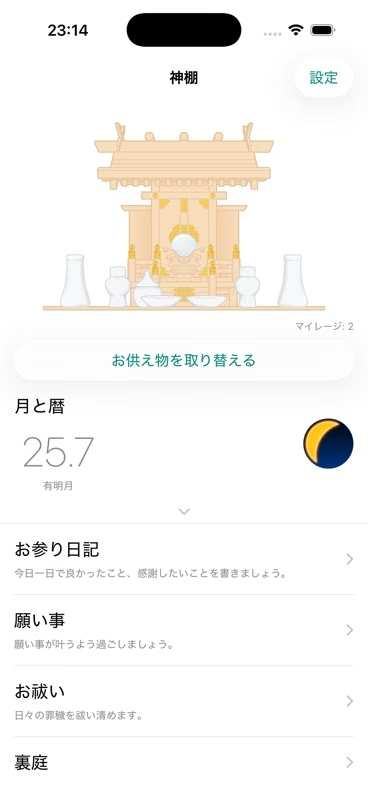
Alongside praying for business prosperity and household well-being, tending sincerely to customers, colleagues, and daily craft has long been cherished in Inari devotion. Use the Kamidana App each morning to place your hopes for work and a calm intention for the day ahead.
5. Summary: Reverence for Life’s Essential Sustenance
Inari faith honors two vital foundations of daily life: nourishment that sustains the body, and the work and livelihoods that support households and communities.
- The fox is the sacred white messenger (kenzoku); the deity is Ukanomitama no Kami.
- Ukanomitama governs food, agriculture, and the vital essence of all grains.
- Agricultural harvest prayers evolved into blessings for honest business and family safety.
- Vermilion coatings express protective and bountiful vitality, and torii gates are dedicated in gratitude for wishes passing through to fulfillment.
- Alongside prayers for business prosperity and household peace, appreciating daily meals and work is a cherished everyday form of devotion.
The next time you see a small red shrine or a gentle fox statue along a Japanese street, take a quiet moment to bow your head. Offer thanks for the meal you enjoyed today and the strength you have to work, and step forward into your day with peace.
Bring a moment of quiet gratitude to your day
Cultivating gratitude for daily sustenance and dedicating yourself to honest work brings calm and resilience to your routine. The Kamidana App gives you a peaceful, private space on your smartphone to offer daily water, record intentions, and stay grounded. Start your mindful practice today.
Editorial and sourcing policy
This article references official historical guides, shrine origins, and FAQ documentation published by Fushimi Inari Taisha (Kyoto), the grand head shrine of Inari faith. Spiritual blessings (goriyaku) reflect traditional religious aspirations and do not imply guaranteed commercial outcomes.