Oreimairi (Giving Thanks When a Wish Comes True) and Reflecting on Wishes Still in Progress
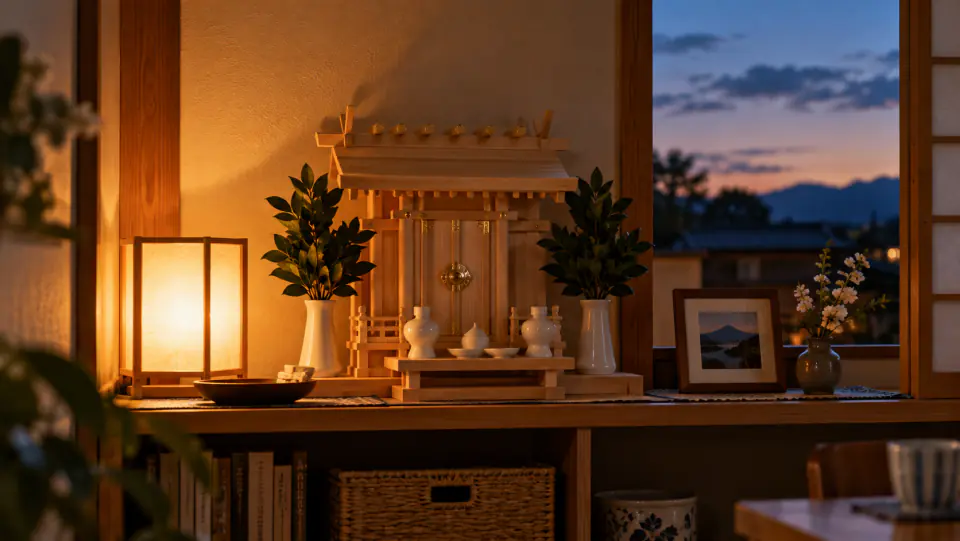
When a prayer offered before the altar is answered, a warm, quiet feeling of relief and gratitude fills the heart.
In Japanese Shinto tradition, returning to the shrine to report the outcome and express sincere appreciation is a revered custom known as oreimairi (お礼参り, thanksgiving visit).
Yet in human life, not every heartfelt wish yields a fast or simple resolution. Many aspirations take months or years of quiet nurturing; others shift as our circumstances and maturity grow. Sometimes, outcomes do not unfold as we originally envisioned.
Whether celebrating a fulfilled wish or standing in the middle of a long journey, taking time to pause, reflect upon your steps, and thank those who supported you brings grounding dignity to everyday life. Here is how the spirit of oreimairi can guide your reflections.
What Is Oreimairi? Reporting Fulfillment and Giving Thanks
When a prayer offered to the kami is answered, worshiping to report the outcome and express thanks is called oreimairi.
As noted in guidance from Jinja Honcho, visiting a shrine is not solely about asking for favors; it is equally about returning to say "thank you" when blessings unfold.
Returning to Your Original Aspiration
Oreimairi is not a burdensome obligation. Rather, it is a treasured opportunity to revisit the earnest mindset you held when you first prayed, and to report to the kami: "With your watchful guidance, this wish has come to pass."
Bowing in thanksgiving reminds us of the support and watchful care that accompanied our efforts, allowing us to take our next steps into the future with quiet gratitude.
Before a home kamidana as well, pausing during your morning or evening worship to acknowledge a fulfilled wish marks a deeply meaningful milestone in daily life.
When and How to Do Oreimairi: Timing, Offerings, and Returning Charms
Many people wonder when they should make their visit and how they should prepare their offerings.
When to Visit: General Timing Guidelines
When a prayer has been answered, visiting the shrine relatively soon—within several weeks or months—is a thoughtful guideline. However, there is no strict deadline. If the shrine is located in a distant province or you are navigating a demanding schedule, returning during New Year visits (Hatsumode), seasonal holidays, or your next travels is entirely appropriate. Simply offering a quiet prayer such as "Thank you for guiding me to fulfillment; I am grateful to return" will be warmly welcomed by the kami.
Offerings (Saisen) and the 5-Yen Coin Custom
There is no rigid requirement for the amount placed into the offertory box (saisen-bako). What matters most is the sincerity of your thanksgiving.
In Japanese culture, people often select a 5-yen coin because the Japanese word for five yen (go-en) is a homophone for "auspicious connection" (ご縁, go-en). A 50-yen coin is similarly favored as a wish for "overlapping good connections." During oreimairi, offering these coins carries warm appreciation for the meaningful encounters and guidance that brought your goal to fruition. If you request a formal thanksgiving ceremony (Shin'on Kansha) at the shrine pavilion, a ceremonial offering (hatsuho-ryo) is presented according to the shrine's guidelines.
Returning Talismans and Omamori
If you received an omamori amulet or ofuda talisman for a specific milestone (such as passing an exam or safe childbirth), it is customary to bring it during oreimairi and return it to the shrine's collection box for sacred talismans (古札納所, kosatsu osamesho). Shrines periodically conduct ritual burning ceremonies (o-takiage) to send off the completed charm with deep reverence.
Looking Back on the Journey and Those Who Supported You
When a long-held wish finally comes true, it is natural to focus entirely on the final triumph.
Yet when you look back upon the road that brought you here, you inevitably discover that your personal perseverance was intertwined with the quiet generosity of many others.
Acknowledging the Unseen Hands
In addition to celebrating a wish being fulfilled, you can also look back upon what kind of progress took place while you were praying.
Writing down what actions you took, who offered guidance, which friends listened during moments of doubt, and the day you learned the outcome clarifies exactly what you wish to report and give thanks for.
When your gratitude becomes specific, it naturally overflows into warm, tangible gestures of thanks toward the people in your life.
Reflecting on Wishes in Progress and Unintended Outcomes
Not every wish follows a predictable timetable or arrives in the shape we originally imagined.
Holding a compassionate, thoughtful space for wishes that are still unfolding—and even those that did not turn out as hoped—is an essential part of mindful living.
Checking Your Current Bearing
For wishes that do not have results yet, review your past efforts and the current situation. You may continue to hold the same wish as when you began, or what is needed and desired may have naturally changed.
When changes occur, reorganize what you pray for and what you personally undertake. Modifying your goals with honesty is not a sign of failure; it is a sign of wisdom.
Furthermore, if an outcome was disappointing, Shinto practice never interprets this as a lack of personal worth or divine favor. There is no need to rush to answers; you may simply hold your honest feelings as they are. In time, you can choose at your own pace whether to continue forward or step onto a new path.
Tracking and Reflecting on Wishes in the Kamidana App
In the rapid rush of daily life, past prayers and momentary realizations of gratitude are easily forgotten.
The Kamidana App serves as a peaceful companion where your intentions, progress, and reflections can be nurtured over time.
Record Gratitude, Current Steps, and Honest Learnings
Within the app, you can revisit your wishes alongside the reflections recorded afterward.
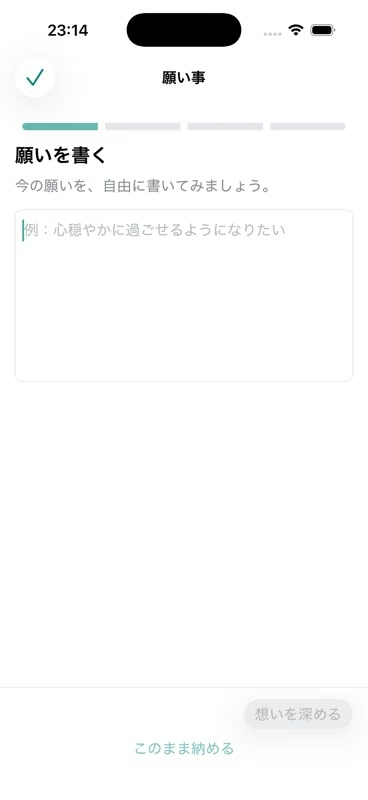
Leave notes of results and gratitude for fulfilled wishes, and note your current progress and next steps for wishes still unfolding.
Even when an outcome did not turn out as hoped, record what actually happened, and choose for yourself whether to continue or review your wish. By gently reflecting on each chapter, you cultivate a resilient inner peace that guides your daily life.
A Simple, Grounded Practice for Busy Modern Lives
With the Kamidana App, you can place quiet wishes and daily reflections directly on your smartphone. Build a steady rhythm of gratitude and calm integrity—without requiring a large traditional altar or complicated rituals.
Editorial & Sourcing Policy
This article references traditional customs of thanksgiving worship (oreimairi) and prayer etiquette documented by Jinja Honcho and Takatsuka Shrine. Personal reflections and thanksgiving timing can be observed according to your personal schedule and household customs.